Reviewing Crochet Christmas Six Seven PNG for Embroidery
As a designer who spends half my life staring at digitized files and the other half watching needles punch through fabric, I have developed a keen eye for what works in the hoop and what looks better on a screen. When I first pulled up the Crochet Christmas Six Seven PNG, my initial reaction was one of cautious curiosity. The title suggests a digital illustration, likely meant for sublimation or print-on-demand, but my mind immediately jumped to how this aesthetic could translate into thread. For embroidery designers, small business owners, and Etsy sellers, understanding the gap between a flat image and a stitched reality is crucial. This review breaks down how this specific visual asset performs when considered for real-world embroidery projects.
The Visual Personality and First Impressions
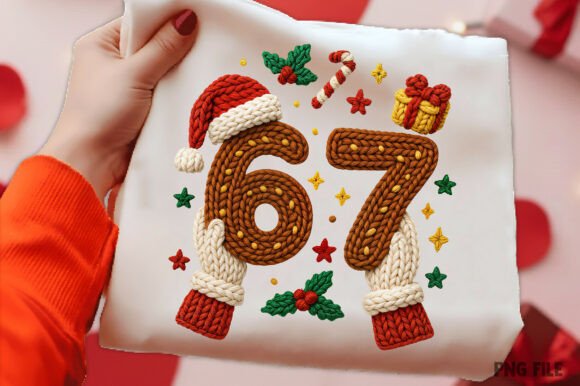
The mood of the Crochet Christmas Six Seven PNG is undeniably cozy. It evokes the tactile warmth of handmade holiday decor without actually being crocheted. The layout typically features whimsical, rounded shapes that mimic the looped texture of yarn. For an embroidery project, this is both a blessing and a challenge. The visual personality is soft and inviting, making it an excellent candidate for items meant to convey comfort, such as baby embroidery pieces, nursery decor, or holiday gifts for close family.
However, from a technical standpoint, a PNG is a raster image. It does not contain stitch data. To use this in a machine embroidery design workflow, you must either manually digitize it or use auto-digitizing software with caution. The detail level in these types of illustrations can be dense. If the "crochet" effect is created through complex shading or tiny pixelated details, it will not translate well to thread. Thread has thickness; pixels do not. My advice is to simplify the design significantly, focusing on the outline and major color blocks rather than trying to replicate every shadow.
Real-World Application: The Holiday Tote Bag Test
To evaluate the practical value of this asset, I imagined preparing a custom embroidered tote bag for a local craft fair. Tote bags are usually made of canvas or heavy cotton, which provides a stable base for stitching. The Crochet Christmas Six Seven PNG theme fits perfectly here. A large, simplified version of the design could serve as a central focal point.
In this scenario, I would avoid using a fill stitch for the entire image, as it would make the bag stiff and heavy. Instead, I would treat the design as an applique design. By cutting out fabric pieces that match the colors in the PNG and securing them with a satin stitch or running stitch border, you preserve the soft, layered look of crochet while keeping the textile flexible. This approach increases the perceived value of the handmade product and reduces stitch count, which speeds up production time for small shop products.
Apparel and Custom Gifts
When moving from accessories to custom apparel, such as sweatshirt embroidery or t-shirts, the stakes change. Stretchy fabrics require careful handling. If you attempt to stitch a dense version of this design directly onto a thin jersey knit, the fabric will pucker. For a personalized gift like a child’s holiday sweater, I recommend using a cut-away stabilizer to provide permanent support. The whimsical nature of the Crochet Christmas Six Seven PNG makes it ideal for baby clothes, but always test on scrap fabric first. Parents wash baby items frequently, and the stitching must hold up to agitation without unraveling or distorting.
Technical Challenges and Fabric Considerations
There are specific situations where you should use this design carefully. First, consider the hoop size. If the original illustration is intricate, shrinking it to fit a 4x4 inch hoop for an embroidered patch or cap will result in lost detail. Tiny lettering or fine lines may merge into a blob of thread. Always check the minimum viable size before committing to a project.
Second, think about fabric texture. On textured fabrics like fleece or terry cloth towels, fine details disappear. The Crochet Christmas Six Seven PNG relies on visual texture to mimic yarn. If you stitch it on a high-pile fabric, that nuance is lost. In such cases, increase the stitch density slightly or use thicker thread to ensure the design remains visible. Conversely, on dark fabric, you must ensure high contrast in your thread colors. A low-contrast design will look muddy and unprofessional.
Curved surfaces, such as caps or hats, present another hurdle. The design must be distorted slightly during digitizing to account for the curvature. A flat PNG does not account for this. If you are creating boutique branding or merchandise for a craft business, never skip the step of creating a printable mockup or testing on a curved dummy object before stitching the final product.
Enhancing Brand Consistency and Customer Trust
For Etsy sellers and digital product sellers, consistency is key. Using a cohesive style across your listings builds brand recognition. The Crochet Christmas Six Seven PNG fits into a broader category of Illustrations that favor rustic, handmade aesthetics. By translating this digital asset into high-quality embroidery, you elevate the finished product. Customers trust items that look well-crafted. Sloppy stitching, caused by ignoring stitch density or stabilizer requirements, undermines that trust.
When offering commercial embroidery services, clarity in your portfolio matters. Show potential clients how the design looks on different backgrounds. Compare light and dark fabric mockups. This transparency helps buyers visualize the final product, increasing buyer engagement and reducing return requests. Whether you are selling the physical item or the digital embroidery file, professionalism in presentation reflects the quality of the work.
Practical Designer Notes for Execution
Before you load this design into your machine, keep these practical tips in mind:
- Test on Scrap Fabric: Never stitch a new design directly on the final garment. Use similar weight and type fabric for tests.
- Check Thread Color Contrast: Ensure your thread palette matches the mood of the original PNG while maintaining visibility.
- Review Stitch Density: High density leads to puckering and needle breaks. Optimize your pathing to reduce unnecessary jumps.
- Confirm Hoop Size: Make sure the design fits comfortably within your hoop with room for stabilization.
- Inspect Small Details: Zoom in on your digitized version. Are there tiny islands of stitches that will fall out? Remove them.
- Use Proper Stabilizer: Match the stabilizer to the fabric. Tear-away for stable wovens, cut-away for knits.
- Verify Licensing: Since this starts as a PNG under Illustrations, confirm if you have the right to create derivative works for sale. Most standard licenses do not allow reselling the digital file itself, but often permit selling physical finished products. Always read the specific terms.
In conclusion, the Crochet Christmas Six Seven PNG offers a charming starting point for holiday-themed creations. However, its success depends entirely on the skill of the translator—the designer who converts pixels into thread. By respecting the limitations of embroidery machinery and choosing the right materials, you can turn a simple digital image into a cherished handmade product. Whether for a client’s custom apparel or your own small shop inventory, thoughtful execution is what separates a generic item from a professional masterpiece.