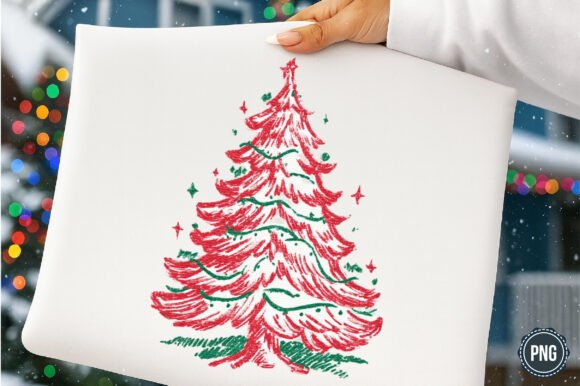
Reviewing Christmas Line Art Png - Tree for Stitchers
As a designer who has spent years digitizing and reviewing embroidery assets, I approach every new file with a mix of curiosity and skepticism. We have all been there: downloading a stunning graphic that looks perfect on screen, only to watch it turn into a tangled mess of thread on the hoop. Today, I am taking a close look at Christmas Line Art Png - Tree, evaluating it not just as a digital illustration, but as a potential candidate for real-world embroidery projects.
This asset falls under the category of Illustrations, which immediately tells me we are dealing with a visual-first design. For those of us running small shops or creating personalized gifts, the line between a pretty picture and a stitchable design is critical. Let’s break down how this specific tree design holds up when we move from the pixel to the needle.
First Impressions and Visual Personality
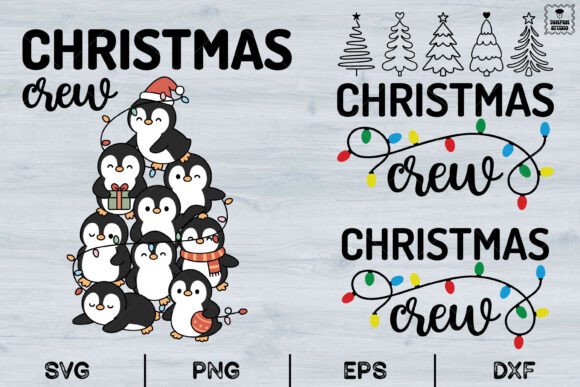
The first thing that strikes me about Christmas Line Art Png - Tree is its minimalist elegance. In a season often cluttered with overly complex, dense holiday motifs, this design offers breathing room. The lines are clean, suggesting a modern aesthetic that appeals to contemporary buyers rather than just traditionalists. The mood is calm and sophisticated, avoiding the cartoonish vibe that plagues many holiday graphics.
For an embroidery designer, "clean lines" is music to our ears. It suggests that the transition from vector or raster image to stitch path should be straightforward. However, because this is provided as a PNG, it is technically a raster image. This means you cannot simply load it into your embroidery machine. You will need to use digitizing software to convert these lines into a proper machine embroidery design. The simplicity of the line art is a double-edged sword; it is easy to trace, but it requires careful attention to stitch type selection to ensure the lines do not disappear into the fabric.
Real-World Application: The Tote Bag Test
To truly evaluate a design, I imagine it on a specific product. Let’s consider a custom embroidered tote bag. This is a staple item for any Etsy seller or craft fair vendor during the holidays. I envision placing this tree design on a natural canvas tote, using a deep forest green or a classic red thread.
Because the design is linear, it would work beautifully with a running stitch or a very narrow satin stitch. A fill stitch would likely be too heavy and would distort the delicate nature of the line art. On a sturdy canvas, the design would stand out clearly, offering a subtle yet festive accent. Customers looking for a handmade product that feels boutique-quality rather than mass-produced would appreciate this understated approach. It signals taste and restraint, which can justify a higher price point for your small shop product.
Versatility Across Product Lines
Beyond tote bags, where else does this design shine? I see strong potential in several areas:
- Sweatshirt Embroidery: Placed on the left chest of a neutral-colored crewneck, this tree acts as a subtle brand marker or personal touch. It avoids the bulkiness that makes heavy holiday sweaters uncomfortable.
- Kitchen Textiles: Imagine this stitched onto a linen tea towel. The linear style complements the weave of the fabric without overwhelming it. It is perfect for holiday embroidery gifts that are meant to be used, not just displayed.
- Personalized Gifts: For baby items, such as a muslin swaddle or a onesie, the simplicity ensures the design remains soft and flexible. Heavy stitching on baby skin is a no-go, so a light, linear approach is ideal.
Navigating Technical Challenges
While the aesthetic is strong, we must address the technical realities of stitching a line-art PNG. Since this is not a pre-digitized embroidery file, you are responsible for the stitch generation. Here are the pitfalls to avoid:
Fabric Texture and Stability: Line art relies on precision. If you stitch this on a textured fabric like terry cloth or a loose-knit sweater, the lines may break up or look jagged. Always use a high-quality stabilizer. For stretchy fabrics, a cut-away stabilizer is non-negotiable to prevent distortion. On thin fabrics, ensure your stitch density is low enough to prevent puckering, but high enough that the thread covers the fabric completely.
Thread Contrast: Because the design is minimal, contrast is key. Stitching white thread on white fabric will render the design invisible unless you rely on texture alone, which is risky. Test your thread colors against your fabric background. A dark thread on a light fabric, or vice versa, will ensure the finished product has the visual impact you intend.
Scale and Hoop Size: Do not assume this design works at any size. If you shrink it too much for a small hoop size, the lines may become too thin for the needle to follow accurately, leading to thread breaks or skipped stitches. Conversely, blowing it up too large might make the single lines look sparse and unfinished. Always run a test stitch on scrap fabric before committing to your final garment.
Commercial Viability and Brand Consistency
For commercial embroidery professionals and digital product sellers, consistency is currency. Using a cohesive set of designs helps build brand recognition. If your brand identity is modern, minimalist, and chic, Christmas Line Art Png - Tree fits perfectly. It allows you to create a printable mockup that looks professional and appealing to high-end buyers.
However, a crucial note on licensing: since this is an illustration asset, you must verify the license terms before selling finished items. Some creators allow commercial use of physical goods but restrict the sale of the digital file itself. Others may require attribution. As a responsible craft business owner, always confirm these details to protect your shop from intellectual property issues. Never assume a PNG found online is free for commercial exploitation.
Final Verdict for the Modern Maker
In my assessment, Christmas Line Art Png - Tree is a versatile and stylish asset for the discerning designer. It is not a plug-and-play solution for beginners who lack digitizing skills, but for those who understand how to translate line art into stitch paths, it offers immense creative freedom. It excels in applications where subtlety is valued over flashiness, such as boutique apparel, high-end home decor, and personalized gifts.
Remember to treat this as a starting point. Your choice of stitch density, thread type, and fabric will ultimately define the success of the project. Take the time to digitize it correctly, test it thoroughly, and you will find that this simple tree can become a standout element in your holiday collection. Whether you are creating a single embroidered patch or a full line of custom apparel, this design respects the intelligence of your customer and the integrity of your craft.