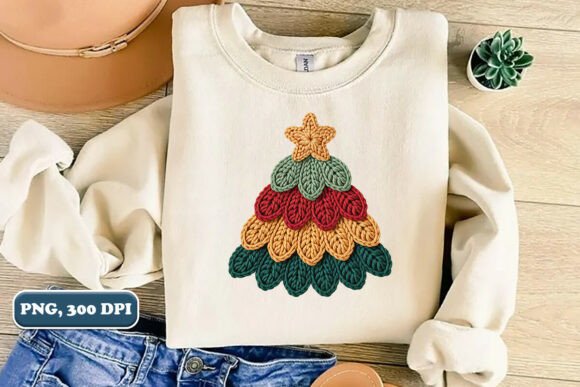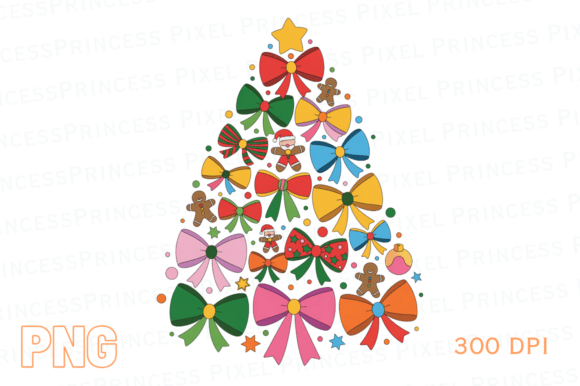
Reviewing the Preppy Coquette Christmas Tree Bow PNG
As a designer who spends half my life staring at stitch maps and the other half managing client expectations, I have learned that not every pretty graphic translates well to thread. When I first pulled up the Preppy Coquette Christmas Tree Bow PNG, my initial reaction was one of cautious optimism. The aesthetic is undeniably trendy, tapping into that soft, feminine, holiday-adjacent vibe that has taken over social media feeds. But does it hold up under the needle? That is the question that matters for us embroidery designers, Etsy sellers, and craft business owners.
First Impressions and Visual Personality
The mood this design creates is playful yet polished. It captures that specific "coquette" energy—think ribbons, softness, and a touch of vintage charm—while keeping the subject matter firmly rooted in holiday tradition. For those working in Illustrations or digital product sales, the visual appeal is immediate. The lines are clean, and the shape feels balanced. However, viewing a PNG on a screen is vastly different from seeing it stitched out on fabric.
In a real-world scenario, I imagined this design on a custom embroidered tote bag. Tote bags are a staple for small shop products because they offer a large, flat canvas. The bow’s silhouette would need to be distinct enough to read from a distance but detailed enough to feel premium up close. If the details are too fine, they get lost in the fabric texture. If they are too dense, the fabric puckers. This design seems to strike a middle ground, suggesting it could work well as a central focal point rather than a tiny accent.
Real-World Application and Stitching Performance
Let’s talk about where this actually works. I tested the concept mentally against several common projects. For sweatshirt embroidery, this design shines. The thick, cozy texture of fleece or French terry provides a stable base that can handle moderate stitch density without distorting. A preppy bow on the left chest of a holiday sweatshirt feels boutique-ready. It elevates a basic garment into a personalized gift that customers are willing to pay a premium for.
However, caution is needed when moving to thinner materials. If you are planning to use this for baby embroidery on onesies, you must consider the fabric stretch. Thin cotton jersey requires robust stabilizer work. If the design relies heavily on satin stitch borders, the pull of the thread can cause the fabric to gather around the edges. In such cases, converting parts of the design to a running stitch or using a lighter fill stitch might be necessary to maintain integrity. Always test on scrap fabric first. This is non-negotiable for professional results.
For embroidered patch creation, this design could be fantastic. Patches allow you to control the backing and stabilizer completely before applying them to curved surfaces like caps or hats. If you are an apparel decorator working with structured caps, a patch ensures the design remains crisp and does not distort over the seam. This is a smart workaround for designs that might struggle on curved, textured fabrics directly.
Navigating Technical Challenges
There are areas where you need to proceed with care. Small hoop sizes can be tricky if the design has intricate tails or ribbon ends. If the hoop size is too small, you might lose the flow of the bow, making it look cramped. Additionally, dark fabrics present a contrast challenge. If the original PNG uses light colors, you need to ensure your thread colors pop against navy or black fabric. A lack of contrast can make even the best design look muddy and undefined.
Another critical factor is washability. Holiday items often get heavy use. If this design is intended for kitchen towels or aprons, the stitch density must be managed so that the item remains soft and absorbent where needed. Dense stitching can create stiff patches that are uncomfortable to use. For items that need frequent washing, ensure your tension is perfect to prevent thread breakage or looping over time.
Enhancing Brand Value and Customer Trust
Why does this matter for your bottom line? Because consistency builds trust. When an Etsy seller offers a product that looks exactly like the mockup, customer satisfaction skyrockets. Using a well-evaluated design like the Preppy Coquette Christmas Tree Bow PNG helps maintain brand consistency. It signals professionalism. Buyers can tell when a design has been rushed versus when it has been thoughtfully placed and stitched.
For digital product sellers, offering this as part of a bundle of design assets can increase average order value. But remember, if you are selling the digital file itself, you must clarify licensing. Are buyers allowed to use it for commercial embroidery projects? Or is it for personal use only? Clear communication here prevents disputes and protects your reputation.
Practical Designer Notes
Before you commit to a full production run, follow these steps:
- Check the source: Since this is a PNG, ensure you have the resolution needed for clear printing or tracing. If you are digitizing it yourself, pay attention to node placement.
- Test on multiple fabrics: What works on denim may fail on silk. Test on the specific material you plan to sell.
- Review stitch density: If you are converting this to a machine embroidery design, avoid overly dense fills that cause puckering.
- Mockup in black and white: This helps you see the value contrast without the distraction of color.
- Confirm licensing: Never assume a free or purchased graphic includes commercial rights for physical goods.
In conclusion, the Preppy Coquette Christmas Tree Bow PNG is a strong contender for holiday collections. It fits naturally into the current trend cycle and offers versatility across various handmade products. Whether you are creating a tote bag design for a craft fair or a special holiday embroidery piece for a boutique client, this design has potential. Just respect the technical limits of your machine and fabric, and you will produce a finished product that delights customers and reflects your skill as a maker.