Reviewing Santa Claus Sticker Clipart for Embroidery
As an embroidery designer who has spent years digitizing and stitching thousands of designs, I approach every new asset with a critical eye. We often browse marketplaces looking for the perfect graphic to elevate our next holiday embroidery collection, and recently, I spent some time evaluating Santa Claus Sticker Christmas Clipart. This isn’t just about whether the image looks cute on a screen; it is about how that visual translates into thread, tension, and texture on actual fabric. For those of us running a craft business or selling on Etsy, the difference between a bestseller and a return often lies in these technical details.
First Impressions and Visual Personality
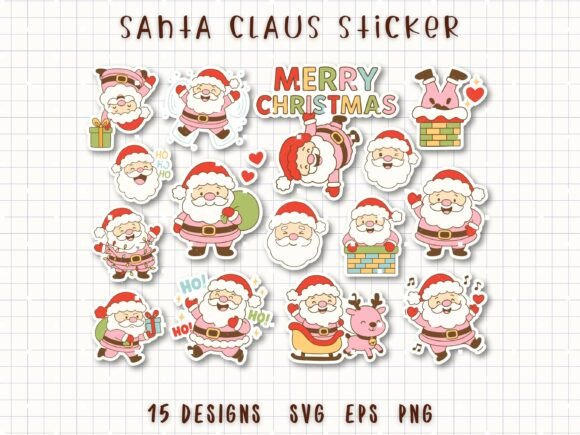
The first thing that strikes you about this set of Illustrations is its bold, sticker-like aesthetic. In the world of digital art, "sticker style" usually implies thick outlines, vibrant flat colors, and a playful, approachable vibe. For an embroidery project, this is generally good news. Thick outlines translate well to satin stitches or dense running stitches, providing clear definition even from a distance. The mood is undeniably festive but modern, moving away from overly traditional, intricate Victorian Santa depictions toward something that appeals to younger demographics and contemporary home decor trends.
When I visualize this design on a product, I don’t see it getting lost in complex shading. Instead, I see strong shapes. This is crucial for machine embroidery because complex gradients are difficult to replicate with thread without using excessive stitch counts or complicated blending techniques. The simplicity here suggests that the design could be adapted into a clean applique design or a straightforward fill stitch pattern without losing its character.
Real-World Application: The Tote Bag Test
To truly understand the value of Santa Claus Sticker Christmas Clipart, I imagined a specific real-life scenario: preparing a batch of custom tote bags for a local holiday market. Tote bags are a staple for any Etsy seller or small shop owner because they are practical, affordable to produce, and serve as walking advertisements for your brand.
If I were to place this Santa graphic on a natural canvas tote, the contrast would be key. The bold lines of the clipart would need to be converted into a satin stitch border to prevent fraying and ensure durability. I would likely pair the reds and whites of Santa’s suit with high-quality polyester threads to maintain vibrancy after washing. The "sticker" look lends itself perfectly to a centered chest placement or a large back print on a sweatshirt. It feels like a design that customers would want to wear proudly, rather than hide under a coat.
For a personalized gift angle, imagine adding a child’s name beneath the Santa figure. Because the base design is so graphically strong, it doesn’t compete with text. Instead, it frames it. This makes it an excellent candidate for baby embroidery projects, such as onesies or bibs, where clarity and charm are paramount. Parents love designs that are recognizable and cheerful, and this aesthetic delivers that instantly.
Navigating Technical Challenges
However, not every surface is forgiving. While the design looks promising, there are areas where we must exercise caution. If you are planning to use this on textured fabrics, such as a thick knit sweater or a terry cloth towel, the finer details might get lost. The fabric texture can swallow up small elements if the stitch density is not adjusted correctly. I would recommend increasing the density slightly for plush materials to ensure the Santa figure pops against the background pile.
Another consideration is the hoop size. If you are working with a small 4x4 inch hoop, you may need to simplify the design further. Tiny corners and intricate facial features can become problematic if scaled down too much, leading to thread breaks or bird nests. Always check the smallest detail in your preview software. If a line is thinner than your needle width, it won’t stitch out cleanly. For curved surfaces like caps, the stiffness of the design needs to be balanced with the curvature of the hat. A dense fill stitch area might cause puckering if not paired with the right stabilizer.
Dark fabrics present another challenge. If you are stitching this onto a navy or black garment, you cannot rely on the fabric color to define the edges. You will need to ensure that your thread colors have enough contrast. A white outline or a light-colored backing might be necessary to make the Santa figure stand out. This is where testing on scrap fabric becomes non-negotiable. Never skip the test stitch, especially when dealing with new design assets.
Commercial Viability and Brand Consistency
From a business perspective, using Santa Claus Sticker Christmas Clipart can enhance your brand’s visual appeal. Consistency is key in building customer trust. If your shop specializes in modern, playful holiday items, this design fits seamlessly. It avoids the cluttered look that sometimes plagues holiday merchandise, offering a clean, professional appearance. This professionalism translates to higher perceived value, allowing you to price your handmade product competitively.
For those creating digital embroidery file products, this type of graphic is highly desirable. Buyers often look for designs that are easy to stitch and have broad appeal. If you are digitizing this yourself, ensure you offer multiple formats to accommodate different machines. Always confirm licensing terms before selling finished items or digital products. Some clipart licenses allow for physical sales but restrict digital redistribution. Knowing these boundaries protects your small shop product line from legal issues.
Practical Designer Notes
Before you commit to a full production run, keep these practical tips in mind:
- Test on Scrap Fabric: Always stitch a sample on the same material you intend to use for the final product. This reveals issues with tension and density.
- Check Thread Contrast: View your design in black and white to ensure the shapes are distinct without color reliance.
- Review Stitch Density: Adjust density based on fabric weight. Lighter fabrics need less density to prevent puckering.
- Confirm Hoop Size: Ensure the design fits comfortably within your hoop, leaving room for stabilization.
- Inspect Small Details: Zoom in on the digital file to identify any lines that are too thin to stitch reliably.
- Use Proper Stabilizer: Match your stabilizer to the fabric type—cut-away for knits, tear-away for wovens.
- Verify Licensing: Double-check the license agreement for commercial use rights, especially for digital sales.
In conclusion, Santa Claus Sticker Christmas Clipart offers a fresh, modern take on holiday imagery that translates well to embroidery when handled with technical care. It is versatile enough for custom apparel, tote bag design, and embroidered patch creations. By paying attention to stitch density, fabric choice, and contrast, you can turn this digital asset into a standout finished product that delights customers and strengthens your brand. Whether you are a hobbyist making gifts or a professional decorator fulfilling client orders, this design holds significant potential for your next creative endeavor.